When Can Babies Sleep With a Blanket?
The nights are getting colder, there’s a soft blanket from grandma sitting in the drawer, and your baby’s crib looks bare and chilly. Then you search for an answer and find people saying one year, some saying two, and a few saying their baby has slept under a blanket since birth. Here’s the clear answer. The American Academy of Pediatrics (AAP) says to keep blankets and all soft bedding out of your baby’s sleep space for the first 12 months. After their first birthday, a small, thin blanket is generally fine, and many parents wait until 18 months or the move to a toddler bed. Until then, a wearable blanket and the right pajamas keep your baby warm without the risk. Below is why the rule exists, how to add a blanket safely, and what to use in the meantime.
If you have any doubt about how your baby is sleeping, ask your pediatrician first. This guide follows AAP safe sleep guidance, but your doctor knows your baby. Don’t skip that conversation because a relative, a babysitter or your own experience with an older child says a blanket is fine. Babies born early, or with breathing or other health conditions, may need different advice.
Blankets by Age: A Quick Guide
| Baby’s age | Blanket in the crib? | What to use instead |
|---|---|---|
| Newborn to 6 months | No | Swaddle until rolling signs, then a sleeveless sleep sack |
| 6 to 12 months | No, even if baby rolls and sits | Sleep sack in a warmth level that suits the room |
| 12 to 18 months | A small, thin, breathable blanket is generally fine | Many families keep the sleep sack and add the blanket later |
| 18 months and up, or toddler bed | Yes, a toddler-sized blanket | Sleep sack is still an option if your child kicks covers off |
Age is only part of it. Look at what your child can do, like moving around freely and pushing fabric off their face, before you add a blanket.
So the honest answer to “at what age can babies sleep with a blanket” is 12 months at the earliest. That’s the minimum, not a deadline. Plenty of parents in Reddit threads on this exact question said they waited until 18 to 24 months, often until their child moved out of the crib.
Why No Blankets in the First Year
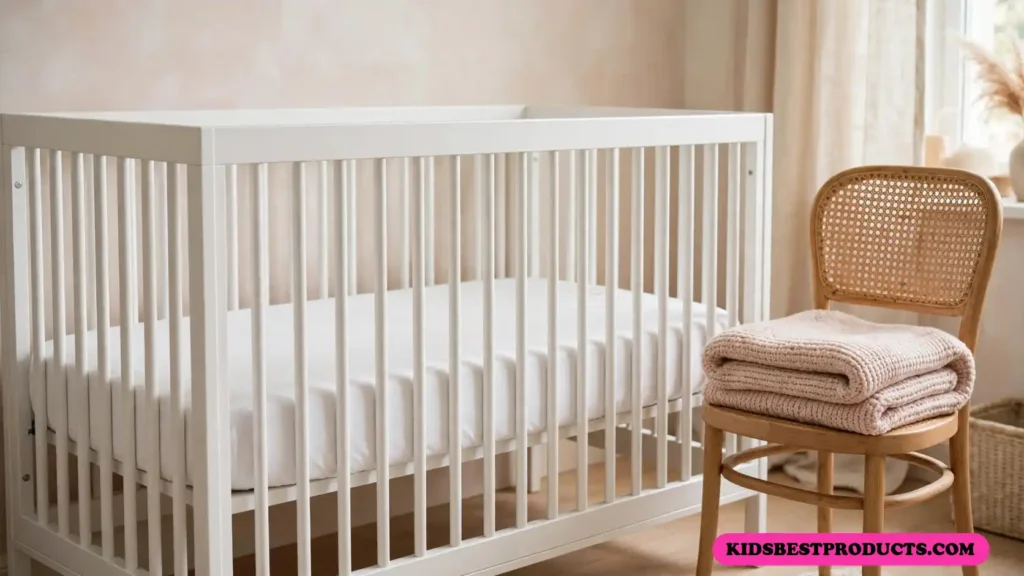
The AAP’s safe sleep guide says not to add blankets, pillows, padded crib bumpers or other soft items to an infant’s sleep area. There are a few reasons behind it.
Suffocation. A young baby can wriggle under a blanket or get it bunched over their nose and mouth, and they can’t reliably push it away.
Rebreathing. Fabric near the face can trap the air a baby breathes out, so they breathe it back in with less oxygen.
Overheating. Too many layers make babies too warm, which is linked to a higher risk of sudden infant death syndrome (SIDS).
Getting tangled. Once babies start rolling, a loose blanket can wrap around them.
Timing matters here. Most SIDS deaths happen between 1 and 4 months of age, and more than 90% happen before 6 months, according to NIH Safe to Sleep. The risk drops after that, but the AAP’s soft bedding advice still covers the whole first year.
Real parents see the risk up close. One dad on Reddit described watching his 4-month-old wake from a nap, grab the thick blanket she was wrapped in and pull it over her face. Another parent let their baby lie down with a blanket while watching on a camera, and within 10 minutes it was wrapped around his head. Both were watching, and both stopped using blankets.
My Baby Rolls Over and Sits Up. Is a Blanket Okay Now?
Not yet. Rolling both ways means your baby can sleep on their stomach or on their side if they get there on their own, but it doesn’t make a blanket safe. A baby who moves a lot is actually more likely to get tangled in loose fabric. Keep the crib bare until at least 12 months, whatever milestones your baby has hit.
Can a 1 Year Old Sleep With a Blanket?
Yes. Once your baby turns 1, a small blanket is generally considered safe, because toddlers can move, lift their heads and pull fabric off their faces. Still, if you’re wondering when your baby can sleep with a blanket every night, there’s no special switch at the first birthday. Some parents add a blanket on the day, others wait months because their child moves a lot at night or simply sleeps well in a sleep sack.
Moving From Naps to Nights
Most families start with naps and move to nights once they’re sure their child handles a blanket well. A few habits make the change easier and safer.
- Pick a small, thin, breathable blanket. A lightweight cotton or muslin blanket in a toddler size, not a thick quilt, fleece throw or adult blanket.
- Start with naps. Daytime naps let you check how your child sleeps with it. Several parents said this is how they started.
- Keep it low. Lay it over the legs and tummy, no higher than the chest.
- Skip the pillow for now. Add one change at a time.
- Watch for a few nights. If your child ends up tangled or keeps waking cold because they kick it off, go back to the sleep sack for a while.
Expect the blanket to end up in a ball in the corner. Toddlers are wild sleepers and don’t know to pull covers back on, which is why many parents keep using a sleep sack well past age 1, sometimes alongside a small blanket.
When Can Baby Sleep With a Blanket and Pillow?
A pillow usually comes later than a blanket. The NHS says not to use a pillow for babies under 1, and many parents wait until 18 months to 2 years, often when their child moves to a toddler bed. If you add one, choose a flat, firm toddler pillow rather than a full-size adult pillow. Many crib manuals also say to keep anything extra out of the crib, so check yours. When your child is ready for a bigger bed, our guide to toddler beds covers the switch.
Toddler Beds and Bigger Blankets
When can kids sleep with blankets in a toddler bed? Right away. By the time your child is in a toddler bed, a blanket is fine. Cribs are meant for children under 35 inches tall, so many kids move to a toddler bed somewhere between 18 months and 3 years, often when they start climbing out. A light toddler blanket is plenty. Older toddlers and preschoolers can use a regular kids’ blanket and pillow.
Why Do the UK and Australia Mention Tucked-In Blankets?
This is the part that confuses parents most. In the US, the AAP says no blankets in the first year. In the UK, the NHS allows firmly tucked sheets or blankets for babies, as long as they come no higher than the shoulders and the baby sleeps “feet to foot,” with their feet at the bottom of the crib so they can’t wriggle down under the covers. NHS guidance recommends lightweight cellular blankets, the kind with small holes, and says baby duvets, fleece blankets and cot bumpers aren’t recommended. Australian safe sleep advice is similar, and some parents in Denmark, Norway and the Netherlands said blankets are normal there from birth.
So which is right? Both guidelines agree on the main points: no loose, thick or fluffy bedding, nothing over the face, no pillows, and a sleeping bag is a safe choice. The difference is that the NHS accepts a tightly tucked blanket as an option, while the AAP prefers wearable blankets and nothing loose at all. If you’re in the US, follow the AAP and your pediatrician. A tucked blanket can work loose, especially once a baby starts rolling, and one UK parent said they stopped using one for exactly that reason. See the NHS page on reducing the risk of SIDS for their full advice.
Are Knitted Blankets With Holes Safer?
Crocheted and cellular blankets let more air through than solid fabric, which is why some parents feel better about them. That still doesn’t make them safe for an infant under 12 months in the US guidance, because a baby can get tangled in the holes or bunch the blanket up. After the first birthday, a light knitted or muslin blanket is a sensible first choice.
Are Weighted Blankets Safe for Babies?
No. The AAP says weighted blankets, weighted sleepers and weighted swaddles should not be placed on or near a sleeping infant. Avoid them for babies, even if they’re sold as calming sleep products.
Blankets During Supervised Naps
Being awake and watching changes things, but it’s easy to overestimate how closely you’re watching. If your baby falls asleep under a blanket during tummy time, cuddles or a walk, that’s fine as long as you’re right there and alert. Once they’re truly asleep, remove the blanket or move them to their crib on their back with nothing else inside. Some parents let an older baby fall asleep with a light blanket and take it away about 15 minutes later, but every sleep in the first year is safest with a bare crib. For walks, our guide to stroller blankets covers safe ways to keep your baby warm outside.
How to Keep Your Baby Warm Without a Blanket
Many parents ask about blankets because their baby seems cold, or because the room is too warm for long sleeves and too cool for short ones. One mom in Texas wrote that her 8-month-old was too hot in a long-sleeved sleeper and too cold in a short-sleeved onesie. The most common reply was a sleep sack.
Use a wearable blanket. The AAP prefers sleep clothing, like a wearable blanket, over loose blankets. Choose sleeveless once your baby is out of the swaddle. Our sleep sack vs swaddle guide explains the difference, and our guide on transitioning out of the swaddle covers when to switch.
Check the warmth rating. Many sleep sacks list a TOG rating. Lower numbers are for warm rooms, higher ones for cold rooms, and most brands include a chart matching TOG to room temperature.
Dress in one layer more than you. The AAP’s rule of thumb is that a baby should wear one layer more than an adult would be comfortable in.
Keep the room comfortable. The Lullaby Trust, a UK safe sleep charity, suggests keeping the room between 16 and 20°C (about 61 to 68°F).
Check the chest or back of the neck. Cool hands and feet are normal. A sweaty neck or hot tummy means your baby is too warm, so remove a layer.
No hats indoors. The AAP says babies shouldn’t wear hats while sleeping indoors after the first hours of life.
Sleep sacks come in sizes up to toddler age, and some have foot holes, so a big or tall baby doesn’t have to switch to a blanket just because they’ve outgrown the smaller sizes.
What About a Lovey or Security Blanket?
A small lovey follows the same rule as any other soft item in the AAP guidance: keep it out of the crib for the first 12 months. Some parents give one earlier during supervised cuddles only. Our guide to the baby lovey covers when and how to introduce one.
Frequently Asked Questions
The Bottom Line
Blankets can wait until after the first birthday, and even then, start with a small, thin one. Until then, keep the crib bare, use a wearable blanket in a warmth level that suits your room, and dress your baby in one layer more than you. After the first birthday, start with naps, keep the blanket low, and don’t rush if your child is happy in a sleep sack. Many families wait until 18 months or the move to a toddler bed, and that’s completely fine.
This article is for general information only. Every baby is different, and it can’t replace advice from a doctor who has examined your child. If you’re worried about your baby, contact your pediatrician or emergency services right away.

Newsletter Signup
Subscribe to our weekly newsletter below and never miss the latest product or an exclusive offer.