How Many Crib Sheets Do I Need for a Baby?
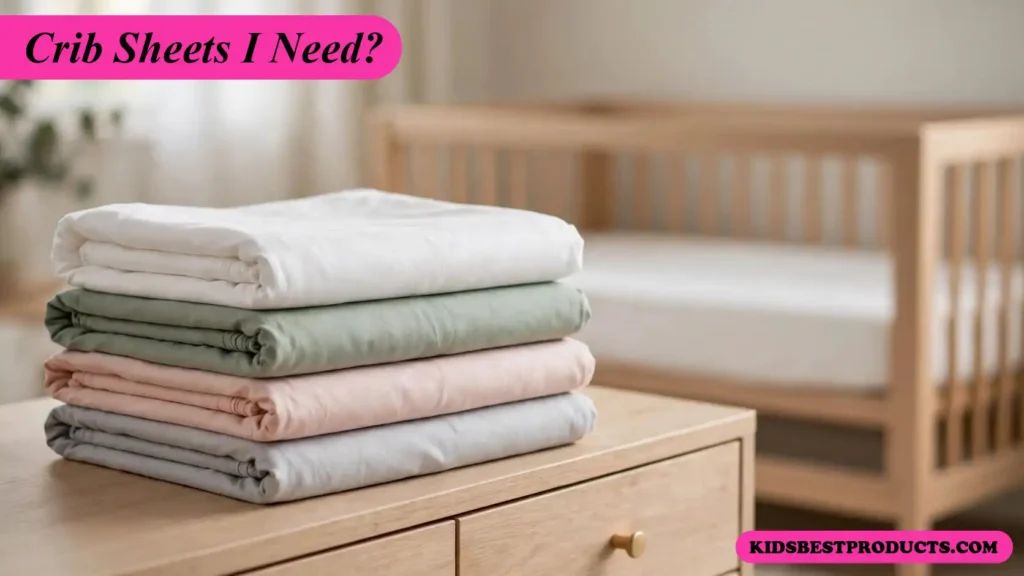
If you’re asking how many crib sheets do I need, the answer for most families is 3 or 4 fitted sheets for each crib. That’s one on the mattress, one in the wash, and one or two spares for the 2 a.m. spit-up, diaper leak or stomach bug. Two sheets can work if you do laundry daily and have a washer at home, but parents who start with two usually buy more after the first sick night. Plan on 5 or 6 if your baby has reflux, starts daycare, or you only do laundry once a week. Bassinets and pack and plays need their own sheets, since crib sheets won’t fit them safely. Below you’ll find exact numbers for each situation, the sizes that actually fit, and the materials worth buying.
How Many Crib Sheets Do I Need? Quick Answer by Situation
| Your situation | Fitted sheets per crib |
|---|---|
| Laundry at home, easy baby, change weekly | 2 to 3 |
| Most families | 3 to 4 |
| Newborn with lots of spit-up or reflux | 5 to 7 |
| Laundry once a week, or a shared or building laundry room | 5 to 6 |
| Starting daycare | Your usual number, plus 1 or 2 |
| Two children in cribs or toddler beds | 3 to 4 per child, or 5 total at minimum |
| Twins | 3 to 4 per crib |
Most families also need 2 waterproof mattress protectors per crib, so one can be washed while the other is in use. Our guide to [waterproof crib mattress protectors](INTERNAL-LINK: ART-232) covers what to look for.
Why Three Is the Magic Number, and When You Need More
In a popular r/beyondthebump thread called “How many crib sheets do you actually use?”, the original poster had two sheets and simply washed one and put it straight back on. The replies almost all landed in the same place.
- The rule of three. One parent summed it up as “one in use, one in the wash, one spare.” Another explained why three beats two. If your baby soils a sheet at night and you only have two, you have to start a load right then, because you’re now on your last clean one. With three, the dirty sheet can wait until morning.
- Sick nights change everything. “It’s fine until the first stomach bug and then you need three,” one parent wrote. Another said her baby went through four sheets in a single night with spit-up and a diaper leak.
- Laundry access matters. A parent in an apartment without a washer said three was essential, because a sheet in the hamper might not be washed for days.
- Daycare brings illness home. One mom bought five sheets after her daughter picked up pinkeye at daycare and needed fresh sheets after every nap.
- Reflux babies need more. A parent whose baby spit up constantly for 3 to 4 months said owning 7 bassinet sheets let her do laundry once a day instead of every few hours.
Some parents in the thread did well with two, especially those whose babies rarely spit up and who changed sheets once a week. Even they agreed a spare is worth having. Crib sheets don’t cost much, and a clean sheet at 2 a.m. is worth a lot.
How Many Crib Sheets Do I Need for a Newborn?
Newborns are the messiest stage. Spit-up, diaper leaks and drool are constant in the first few months, so newborn needs run higher.
Start with 4 crib sheets if your newborn will sleep in a crib from birth. Add more once you see how messy your baby is. If your baby has reflux or spits up after nearly every feed, 5 to 7 sheets can save you from running the washer several times a day.
Many newborns sleep in a bassinet for the first few months rather than a crib. In that case, buy bassinet sheets first and only 2 or 3 crib sheets to start. You can add more crib sheets before your baby moves over.
How Many Bassinet Sheets Do I Need?
Plan on 3 or 4 bassinet sheets. Bassinets are used for a short window, usually until about 4 to 6 months or until your baby can roll or push up, so you don’t need a big stack. But that window is also the messiest one, so don’t stop at one.
A few things make bassinet sheets different from crib sheets.
- Sizes vary by brand. There’s no standard bassinet mattress size, so a sheet for one bassinet may not fit another. Buy sheets made for your exact model.
- Bassinet mattresses are thin. A sheet that’s too deep or too loose can bunch up. Look for a snug, shallow fit.
- Replacement sheets can be hard to find. Buyers of several popular bassinets mention trouble finding spare sheets, so order extras when you buy the bassinet.
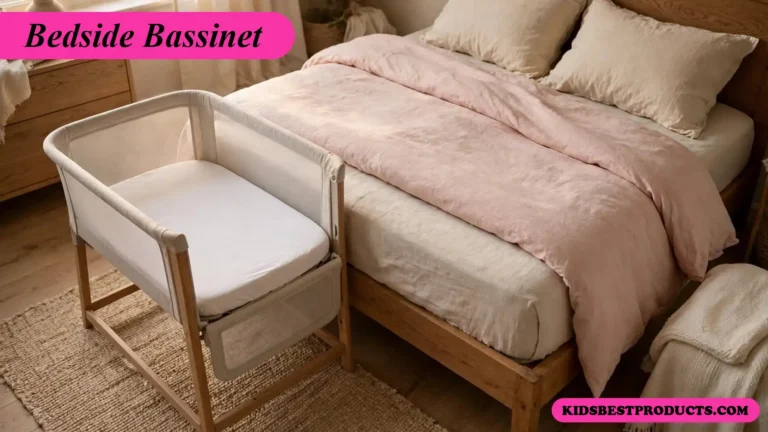
For help choosing the bassinet itself, see our guide to the [best bedside bassinets](INTERNAL-LINK: ART-223).
Are All Crib Sheets the Same Size?
No. Standard crib sheets are made in one size, but mini cribs, bassinets and pack and plays all need their own. Using the wrong size isn’t just annoying. A sheet that’s too big can come loose and bunch up near your baby’s face, and one that’s too small can pull the mattress corners up.
| Sleep space | Typical mattress size | Sheet to buy |
|---|---|---|
| Standard (full-size) crib | About 28″ x 52″, up to 6″ thick | Standard fitted crib sheet |
| Toddler bed | Same as a standard crib mattress | Standard fitted crib sheet |
| Mini crib | Often about 24″ x 38″, but varies | Mini crib sheet made for your mattress size |
| Pack and play (full-size) | About 27″ x 39″ | Play yard sheet for your model |
| Travel crib | Varies, for example 23″ x 41″ on the Guava Lotus | Sheet made for that travel crib |
| Bassinet | Varies widely by brand | Sheet made for your bassinet |
Standard Crib Sheets
Every full-size crib in the US has the same inside measurements under the CPSC’s full-size crib standard, so standard crib mattresses and sheets are all made to fit them. Check the sheet’s listed pocket depth against your mattress thickness, especially with thicker mattresses.
Mini Crib Sheets
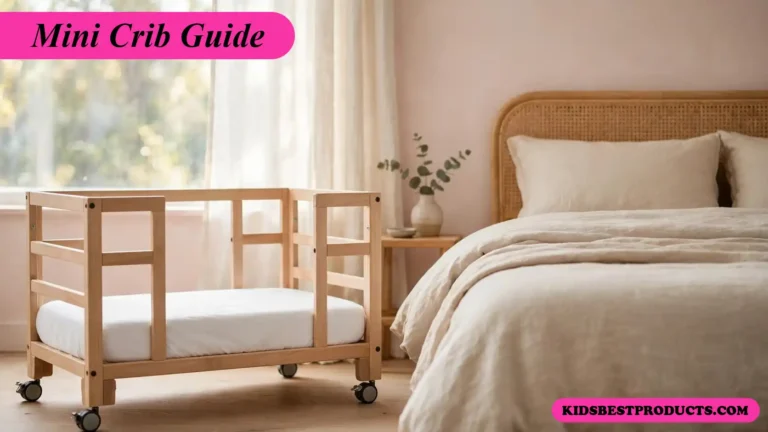
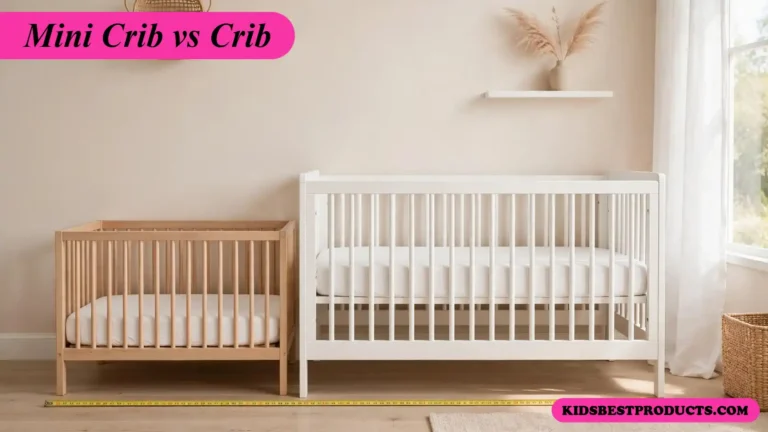
Mini crib sizes aren’t standardized, so mini crib sheets aren’t either. Most fit a 24-by-38-inch mattress, but some minis, like the Bloom Alma (18 by 36 inches) or the Nestig Wave, use their own sizes. Measure your mattress before ordering. Our [mini crib vs crib](INTERNAL-LINK: ART-233) guide lists common sizes, and our [mini crib guide](INTERNAL-LINK: ART-222) covers the cribs themselves.
Bassinet Sheets
Bassinet sizes vary more than anything else. Here are the mattress sizes of a few popular models to show the range.
| Bassinet | Mattress or sleep surface |
|---|---|
| Newton Bassinet and Bedside Sleeper | 35″ x 19″ |
| Milliard Bedside Bassinet | About 35.5″ x 20″ |
| Maxi-Cosi Iora | 32″ x 20″ |
| Halo BassiNest Swivel Sleeper | About 30″ x 18″ (interior) |
| Chicco LullaGo Anywhere | 28″ x 15″ |
That’s a difference of more than 7 inches in length between models, which is why a “universal” bassinet sheet rarely fits well.
Pack and Play Sheets
Pack and play mattresses are thin and firm by design, and the sheets for them are shallow to match. A standard crib sheet is far too large and will bunch. Buy portable crib sheets labeled for your play yard’s size. Our guide to the [best pack and plays](INTERNAL-LINK: ART-224) explains why you should never add a thicker mattress to make it softer.
Fitted Sheets Only, and How to Check the Fit
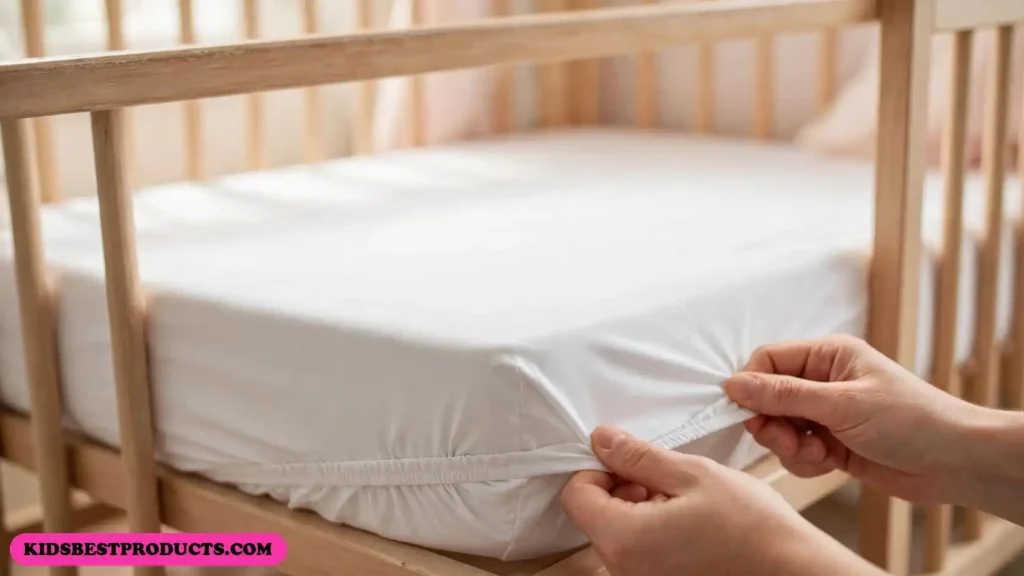
Only use fitted crib sheets, with elastic all the way around. Flat sheets, top sheets and loose blankets don’t belong in a baby’s sleep space, because they can come loose and cover your baby’s face. Use a sleep sack for warmth instead.
After you put a sheet on, check the fit.
- Tug each corner. The sheet shouldn’t pop off when you pull on it.
- Look for slack. The surface should be smooth and tight, with no wrinkles you can grab.
- Check the mattress edges. The sheet shouldn’t curl the mattress corners up or pull it away from the crib sides.
- Recheck after washing. Cotton can shrink, and elastic can stretch out over time. Replace a sheet that no longer fits snugly.
Keep the crib bare other than the sheet. No pillows, bumpers, blankets or stuffed toys, and always put your baby down on their back. Our [safe sleep positions guide](INTERNAL-LINK: ART-007) covers the full basics.
The Layering Trick for Night-Time Messes
Several parents in the Reddit thread swore by layering, and one dad called it “AMAZING.” The idea is to put down a waterproof protector, then a sheet, then another protector and another sheet. When there’s a mess at night, you peel off the top sheet and protector, and a clean, dry layer is already underneath. You and your baby are back to sleep in a minute, and the laundry waits until morning.
It works well in a standard crib, but do it carefully.
- Use only fitted pieces made for your mattress size. Each layer should be fitted and snug, with no loose edges.
- Keep it to two sets. More layers add thickness and make it harder for each one to fit tightly.
- Check that the mattress still fits. Layers shouldn’t lift the mattress or leave a gap at the crib sides.
- Skip it in bassinets and pack and plays. Their mattresses are thin and their sides shallow, and adding layers changes how they’re designed to fit. Use a single sheet made for them unless the maker says otherwise.
If you plan to layer, count on 4 sheets and 3 protectors per crib, since 2 of each are always on the mattress.
How Often Should You Change Crib Sheets?
Change crib sheets at least once a week, and right away after any spit-up, diaper leak, sweat-through or illness. Many parents in the Reddit thread changed weekly when nothing went wrong. One parent was surprised others changed more often, while another changed once or twice a week because the sheets collected “an obscene amount of stuff.”
Change more often in these situations.
- your baby has eczema or sensitive skin
- your baby drools heavily or is teething
- anyone in the house is sick
- it’s hot and your baby sweats at night
During a stomach bug or an infection like pinkeye, change the sheet and sleep sack after every nap and night, and wash them on the warmest setting the label allows.
Which Crib Sheet Material Is Best?
There’s no single best fabric. It depends on your climate, your baby’s skin, and your budget.
| Material | Feels like | Best for | Watch out for |
|---|---|---|---|
| 100% cotton (percale or sateen) | Crisp or smooth, breathable | Year-round use | Can shrink in hot washes |
| Cotton jersey (knit) | Soft and stretchy, like a T-shirt | Easy fitting, cooler months | Can pill or stretch over time |
| Muslin | Light and airy | Hot climates and sweaty sleepers | Wrinkles easily |
| Organic cotton | Same as cotton | Families avoiding pesticides in growing | Costs more |
| Bamboo viscose | Very soft, cool | Babies who sleep hot | Delicate wash, higher price |
| Flannel | Warm and fuzzy | Cold rooms in winter | Too warm for hot rooms |
Certifications to look for. OEKO-TEX Standard 100 means the finished fabric was tested for harmful substances. GOTS (Global Organic Textile Standard) means the cotton is certified organic and processed to that standard. Neither is required, but both are useful if you’re comparing organic crib sheets.
Patterns and colors. Darker or patterned sheets hide stains better than white, which some parents appreciate after the first blowout.
Washing and Caring for Crib Sheets
A few habits keep sheets soft and safe for longer.
- Wash new sheets before using them to remove finishing chemicals and any shrinking.
- Use a fragrance-free, dye-free detergent. A special “baby” detergent isn’t required unless your baby has sensitive skin.
- Skip fabric softener and dryer sheets. They leave residue on fabric and aren’t needed.
- Pretreat stains quickly. Rinse spit-up and diaper messes in cold water first, then wash.
- Check the fit after drying. Shrinkage can make a sheet too tight, and worn elastic can make it too loose.
A Simple Starter List
If you’re building a registry or shopping before your baby arrives, this covers most families.
| Item | How many |
|---|---|
| Fitted crib sheets | 3 to 4 |
| Waterproof crib mattress protectors | 2 |
| Bassinet sheets (if using a bassinet) | 3 to 4 |
| Pack and play sheets (if using one) | 2 |
| Sleep sacks or wearable blankets | 2 to 3 per size |
| Changing pad covers | 2 to 3 |
Start with this, then add more once you know how messy your baby is. As one parent in the Reddit thread put it, you don’t need lots of sheets “until you do.”
Frequently Asked Questions
The Bottom Line
So, how many crib sheets do you need? For most families, 3 or 4 fitted sheets per crib, plus 2 waterproof protectors, is the sweet spot. Add more for reflux, daycare, two kids, or weekly laundry. Buy separate sheets made for your bassinet, mini crib or pack and play, since none of them share a standard size. Whatever you buy, choose fitted sheets that fit snugly, and keep everything else out of the crib. How many crib sheets do I need has a simple answer, but the first stomach bug is when you’ll be glad you have the spare.

Newsletter Signup
Subscribe to our weekly newsletter below and never miss the latest product or an exclusive offer.