he 6 Month Sleep Regression and What’s Really Behind It
You made it through the 4 month regression, sleep finally settled, and you started to feel human again. Now, a couple of months later, your baby is waking at night again, fighting naps and popping up in the crib like it’s playtime. It’s frustrating, and on Reddit some parents say this round felt even worse than the last. The 6 month sleep regression isn’t an official medical term, but many babies do go through a rough patch around this age. It’s usually tied to big new skills like rolling and sitting, a schedule that no longer fits, teething or starting solids. The good news is that it’s usually shorter than the 4 month one, and a few simple changes often fix it. Here’s what causes it, the signs, how long it lasts and what helps.
If your baby’s poor sleep comes with a fever, ear pulling, vomiting, poor feeding, fewer wet diapers, breathing changes or crying you can’t comfort, call your pediatrician. Those can be signs of illness rather than a sleep regression. This guide is general advice, so check with your doctor if anything worries you rather than waiting because someone else’s baby went through the same thing.
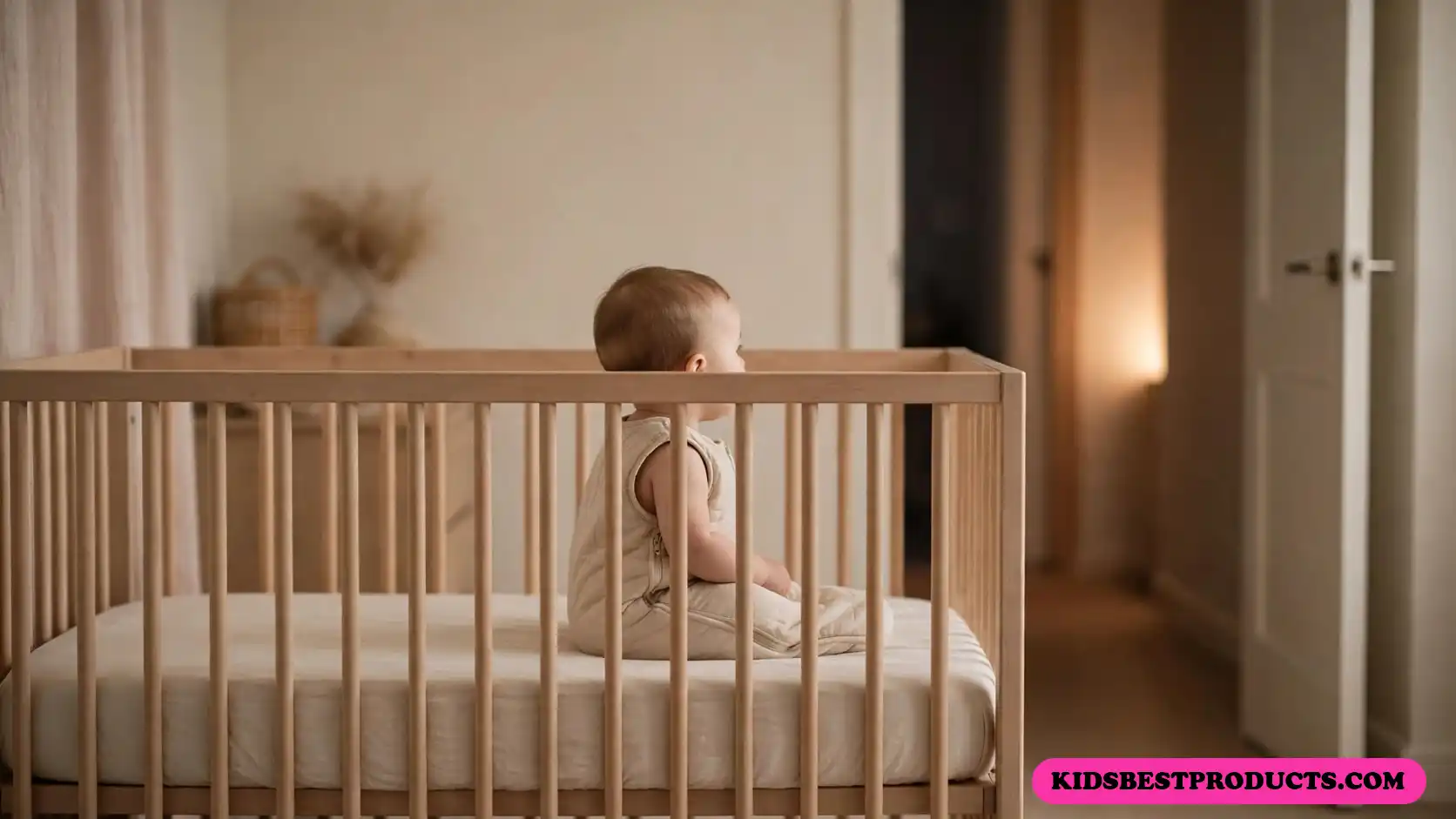
Is There a 6 Month Sleep Regression?
Yes and no. It isn’t a formal diagnosis, and not every baby has one. Unlike the 4 month regression, it isn’t caused by a permanent change in how babies sleep. That said, so much changes around 5 to 7 months that many babies sleep worse for a few weeks, and parents notice it often enough that it has its own name.
Think of it as a cluster of changes landing at the same time, not one single event. That’s also why it can feel so random. One baby has a few rough nights, another has a hard month, and a third breezes through.
What Causes a Sleep Regression at 6 Months?
Most babies have at least two or three of these going on at once.
- New physical skills. Rolling both ways, sitting up, scooting and sometimes early crawling. Babies love practicing, and the crib is a great place to do it at 2 a.m.
- Changing sleep needs. Six-month-olds need more awake time between naps, often around 2 to 3 hours. A schedule that worked at 4 months can leave your baby undertired at nap time and wired at bedtime.
- Teething. Many babies get their first tooth somewhere around 6 months, though it can be earlier or later.
- Starting solids. The AAP suggests starting solid foods at around 6 months. New foods can mean tummy changes, gas or simply a different feeding rhythm.
- Growing awareness. Babies notice more and may start to show early signs of separation anxiety, which often grows over the next few months.
Is There a Developmental Leap at 6 Months?
You’ll often hear about “leaps” at set weeks, but that idea comes from a popular book, not solid research. What’s clear is that babies make big jumps in movement, attention and memory around this age, and those changes can disrupt sleep for a while.
6 Month Sleep Regression Signs
The signs look a lot like other regressions.
- Waking more often at night after a stretch of better sleep
- Short naps, or refusing a nap altogether
- Rolling, sitting or kneeling in the crib instead of sleeping
- Fussing or crying at bedtime
- Waking early in the morning
- Wanting to feed more at night, or seeming hungrier overall
- Crankiness during the day
Why is my 6 month old all of a sudden not sleeping? If several of these show up within a week or two, and your baby is otherwise healthy, a regression is the most likely reason.
6 Month Sleep Regression or Teething?
They often overlap, which makes it confusing. Teething usually brings extra drooling, chewing on hands and toys, red or swollen gums and fussiness that may be worse at certain times. Sleep trouble from teething tends to come and go with each tooth. A regression lines up more with new skills or a schedule that no longer fits, without those mouth signs.
If you think it’s teething, a clean, chilled (not frozen) teething ring or gently rubbing your baby’s gums with a clean finger can help. The FDA warns against teething gels and creams with benzocaine for children under 2, and against teething necklaces and bracelets, which can cause choking or strangulation. See the FDA’s advice on safely soothing teething pain. A fever above 100.4°F (38°C) isn’t caused by teething, so call your doctor.
How Long Does the 6 Month Sleep Regression Last?
Most of the time, about 2 to 4 weeks. It’s often shorter when you adjust the schedule and give your baby plenty of daytime practice with new skills. When does it end? Usually once your baby has mastered the new skill and settled into a schedule that fits their age.
Is This the Worst Sleep Regression?
For most families, the 4 month regression is harder, because it comes from a lasting change in sleep cycles. That said, some parents find 6 months worse, especially if it arrives with teething and a new crawler all at once. Our guide to the 4 month sleep regression explains why that one hits so hard, and our hub on baby sleep regression ages shows which ages tend to be the hardest.
Tips to Help Your Baby Sleep Again
Adjust the Schedule
This fixes more regressions at this age than anything else. Many 6-month-olds do well with about 2 to 3 hours of awake time between sleeps and 2 or 3 naps a day. If your baby fights naps or wakes at night, try stretching awake times by 15 minutes. If naps are short, an earlier bedtime for a few days can help. Our 6 month sleep schedule has sample schedules.
Practice New Skills During the Day
Give your baby lots of floor time to roll, sit and scoot. The more they practice in the day, the less they need to practice in the crib. If your baby rolls onto their tummy at night and can roll back on their own, the AAP says you can leave them there. Always place them on their back to start. Our guide on when babies can sleep on their stomach explains this. If your baby is still swaddled, stop now. Our guide on transitioning out of the swaddle shows how.
Keep Bedtime the Same
A calm, short routine in the same order every night helps your baby wind down, even when everything else feels new.
Help Your Baby Fall Asleep in the Crib
Putting your baby down drowsy but awake helps them learn to fall back asleep between cycles. Many parents also start gentle sleep training around this age. Talk to your pediatrician first, especially before cutting night feeds.
Think About Night Feeds
Some 6-month-olds still need a feed or two at night, while others are ready to drop them. Starting solids can also change how hungry your baby is. Try to give full feeds during the day, and offer new foods earlier in the day so you can watch how your baby reacts. If you use a dream feed, it can still help at this age. Your doctor can tell you whether your baby still needs night feeds.
Pause Before Going In
Babies this age often cry out, roll or babble briefly between sleep cycles, then settle. Wait a minute or two before going in. Our guide on baby crying in sleep explains when to wait and when to help.
Check the Sleep Space
If your baby is still in a bassinet, they’ve probably outgrown it by now. See when to move baby from bassinet to crib. Six months is also when the AAP’s minimum room sharing period ends, so some families choose this time to move baby to their own room. If you do, try not to make the switch in the middle of a regression. Whatever you choose, keep the crib bare, as the AAP’s safe sleep guide explains.
What About 5 and 7 Months?
Sleep regressions don’t follow the calendar exactly. Some babies hit this one at 5 months, others closer to 7. A regression at 7 months has its own common triggers, like the move from three naps to two, sitting and early crawling. Our 7 month sleep regression guide covers that stage. Our guides to the 8 month, 9 month and 10 month sleep regression cover what often comes next.
When to Call Your Pediatrician
Talk to your doctor if sleep problems last more than about 4 to 6 weeks, keep getting worse, or come with signs like snoring, pauses in breathing, fever, ear pain, poor feeding, vomiting or a rash after new foods. Also call if your baby seems to lose skills they had before.
Frequently Asked Questions
The Bottom Line
The 6 month sleep regression isn’t a formal diagnosis, but many babies sleep worse for a few weeks around this age as they learn to roll and sit, cut teeth, start solids and need more awake time. Most rough patches last 2 to 4 weeks. Adjust the schedule, give lots of daytime practice, keep bedtime steady, keep the crib bare and safe, and call your pediatrician if sleep trouble comes with signs of illness or lasts much longer.
This article is for general information only. Every baby is different, and it can’t replace advice from a doctor who has examined your child. If you’re worried about your baby, contact your pediatrician or emergency services right away.

Newsletter Signup
Subscribe to our weekly newsletter below and never miss the latest product or an exclusive offer.