Organic Baby Toys and Non-Toxic Picks Parents Can Trust
Your baby is in the stage where everything goes straight into their mouth, and every toy box seems to say “natural,” “eco” or “non-toxic.” Few of those words are regulated, so it’s hard to tell which toys are truly safer and which just have nicer packaging. The good news is that the best organic baby toys are easy to spot once you know what to look for. Choose certified organic cotton for soft toys, natural rubber or food-grade silicone for teethers, and solid wood with a water-based finish for rattles. Below are 9 picks for babies from birth to 12 months, what labels like GOTS really mean, which materials to avoid, and how to clean each type.
A quick safety note. Even the most natural toy can be a choking hazard. Check the age on every label, look for loose threads, tags or pieces before each use, and stay close while your baby plays. If your baby has a latex allergy, skip natural rubber toys, and call your pediatrician right away if a toy ever causes swelling, hives or trouble breathing.
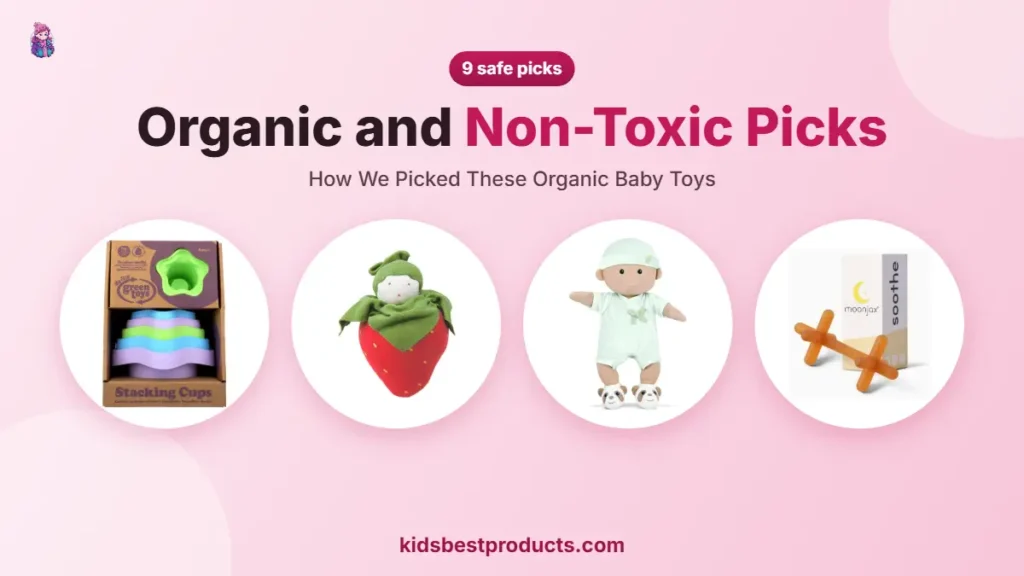
Organic Baby Toys at a Glance
| Toy | Best for | Age on listing | Amazon rating |
|---|---|---|---|
| 1. Lovevery Organic Cotton Ball | Tummy time, grasping and rolling | 3 months and up | 4.4 (54) |
| 2. Apple Park Organic Cotton Baby Doll | A first soft doll made without synthetic fabric | Newborn and up | 4.8 (26) |
| 3. Under the Nile Organic Strawberry Toy | A small, chewable plush made of organic cotton inside and out | 0 months and up | 4.3 (35) |
| 4. Bopoobo Handmade Crochet Bunny Wooden Rattle | Newborns learning to grasp, and baby shower gifts | 0 to 6 months | 4.8 (524) |
| 5. Wee Gallery Organic Crinkle Stroller Toy | Stroller and car rides | Newborn to 12 months | 4.4 (43) |
| 6. Wee Gallery Taggy Sensory Ball | Grasping, kicking and early rolling | 3 months and up | 4.0 (21) |
| 7. Moonjax Natural Rubber Teether | Teething babies who want something soft to chew | 0 to 6 months and up | 4.7 (3,800+) |
| 8. HABA Magica Wooden Grasping Rattle | Older babies practicing grasp and hand-to-hand passing | 6 months and up | 4.2 (25) |
| 9. Green Toys Stacking Cups | Stacking, bath and sand play, made in the USA | Not shown in the main listing details | 4.8 (1,900+) |
Organic baby toys and natural, non-toxic picks at a glance. Amazon ratings checked November 2026.
How We Picked These Organic Baby Toys
We didn’t test these toys at home. We started with the toys that show up most often in shopping results and parent-written guides for organic, natural and non-toxic baby toys. Then we checked each one’s Amazon listing for its materials, age label and rating, and read what buyers say, including the complaints. Ratings were checked in November 2026 and can change. We dropped any toy labeled for children older than 12 months.
What Makes a Baby Toy Non-Toxic?
A non-toxic baby toy is made from materials that don’t contain harmful chemicals a baby could take in by mouthing, chewing or touching it. In practice, that means organic or untreated natural fibers, natural rubber, solid wood with water-based or no finish, food-grade silicone, or plastic that meets food-contact standards. Babies put almost everything in their mouths, so the material matters more than it does for older kids.
“Non-toxic” itself isn’t a legal term in the US, and any brand can print it on a box. That’s why it helps to know which labels and rules actually back the claim up.
Are Organic Baby Toys Worth It?
Often, yes, for the toys your baby chews on most. Organic cotton is grown without synthetic pesticides, and certified organic textiles are processed with restricted chemicals and dyes. For a rattle, teether or soft toy that spends hours in your baby’s mouth, that’s a real benefit. Organic toys usually cost more, though, so many parents choose organic for mouthing toys and buy regular, well-made toys for everything else.
Organic vs Natural vs Non-Toxic Baby Toys
These three words overlap, but they don’t mean the same thing.
- Organic refers to fibers like cotton grown to organic farming standards. It’s the only one of the three with a strict certification behind it.
- Natural means the material comes from nature, such as wood, natural rubber, wool or cotton. Natural doesn’t always mean organic, and it isn’t certified.
- Non-toxic is a marketing claim that the toy is free of harmful chemicals. It’s only as reliable as the brand and its testing.
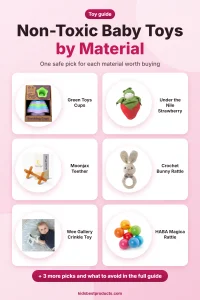
The best natural baby toys usually tick more than one box, like an organic cotton toy with an untreated wooden ring.
Labels and Rules That Actually Mean Something
US Toy Safety Rules Every Toy Must Meet
All toys made for children 12 and under and sold in the US must be tested by a CPSC-accepted, third-party lab and certified as meeting the federal toy safety standard, ASTM F963, according to the Consumer Product Safety Commission. The same rules set firm chemical limits.
- Lead: no more than 100 ppm of total lead in any part a child can reach, and no more than 90 ppm in paint or surface coatings
- Phthalates: no more than 0.1% of eight regulated phthalates, the chemicals often used to soften plastic, in any accessible part, as the CPSC explains
- Small parts: toys for children under 3 can’t contain small parts
- Tracking label: the toy and package must show who made it and when
These rules are the floor, not the ceiling. A toy from a known brand sold by a reputable store should meet them. Cheap, unbranded toys from third-party sellers are where problems most often turn up.
GOTS (Global Organic Textile Standard)
The Global Organic Textile Standard is the most trusted label for organic fabric toys. A product labeled “organic” under GOTS must contain at least 95% certified organic fibers, and one labeled “made with x% organic materials” must contain 70 to 94%. GOTS also limits the chemicals and dyes used during processing. A real GOTS label shows the logo, the label grade, the certification body and a certification number you can look up.
OEKO-TEX Standard 100
This label means the fabric or filling was tested for a list of harmful substances. It doesn’t mean the material is organic. You’ll often see it on polyester filling inside organic cotton toys.
FSC Certified Wood
FSC means the wood comes from responsibly managed forests. It’s a good sign for the planet, but it says nothing about the paint or finish, so still look for water-based or unfinished wood.
Best Organic Cotton Baby Toys
Organic cotton toys are soft, washable and safe to chew, which makes them a good fit from the newborn weeks onward.
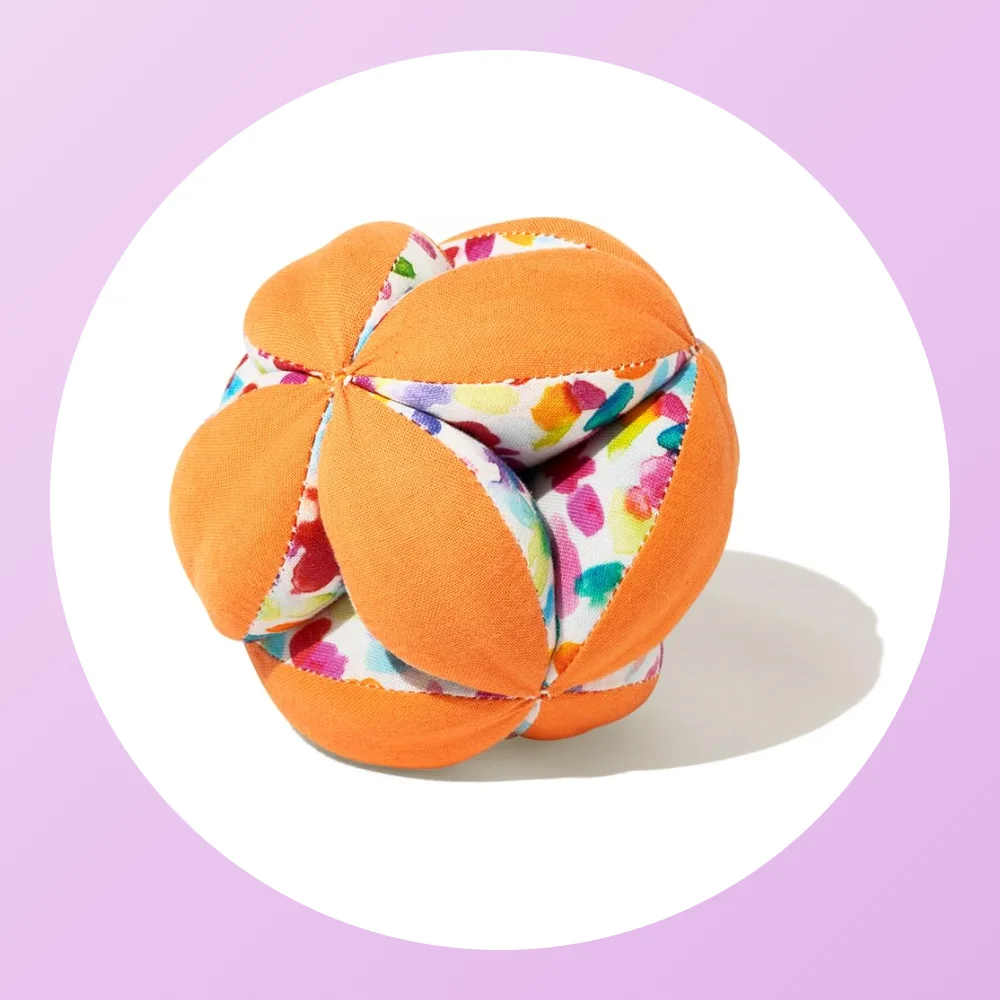
1. Lovevery Organic Cotton Ball
- Amazon rating 4.4 stars from 54 ratings
- Age on listing3 months and up
Rating checked November 2026
This soft, segmented ball is sized for small hands, so babies can grab the panels long before they can hold a regular ball. It starts as a tummy time toy to reach for and becomes a ball to roll and toss later. A QR code links to Lovevery’s play guide with ideas for each stage.
👍 What buyers sayParents like that it’s easy to grab, soft enough to chew and the right size for small hands. Several mention it rolls well for older babies starting to throw.
⚠️ Keep in mindOne reviewer said the sewn-in tag didn’t match the cotton description, so check the tag when it arrives. A few found their baby liked it but didn’t reach for it often.
2. Apple Park Organic Cotton Baby Doll
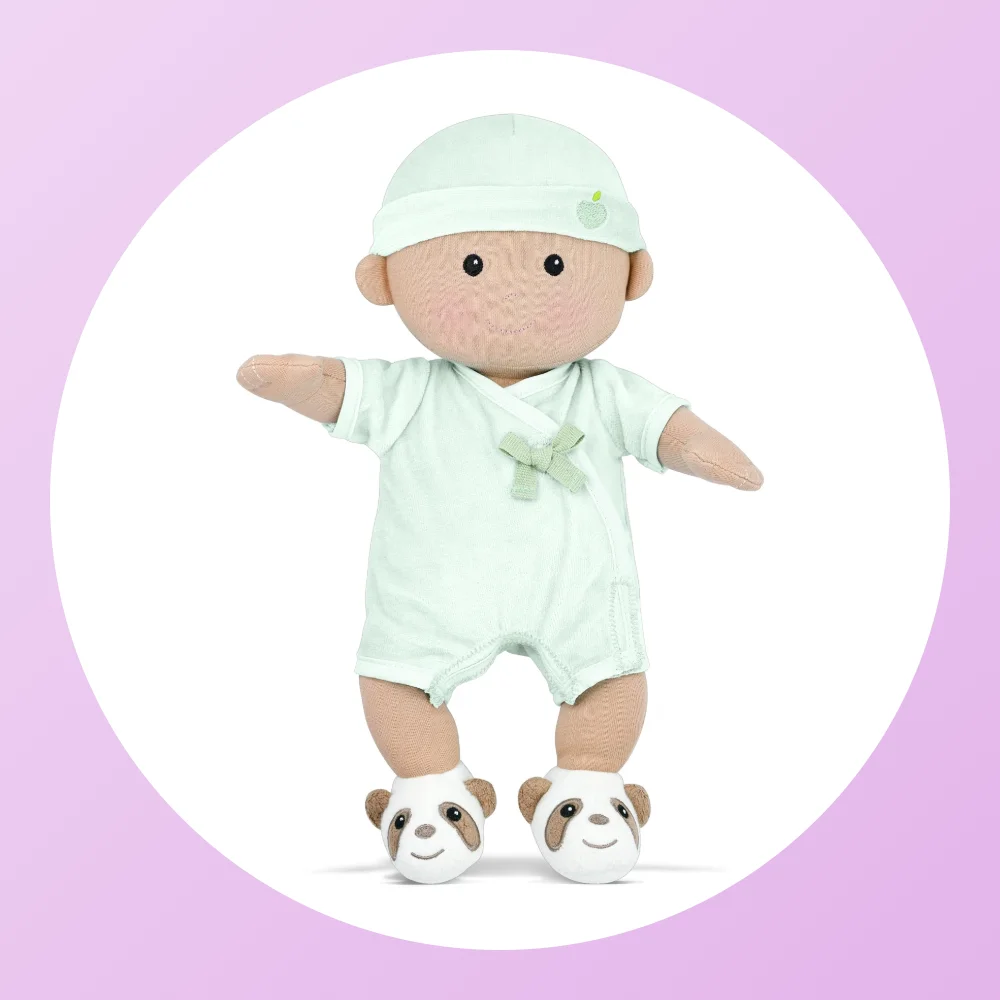
- Amazon rating 4.8 stars from 26 ratings
- Age on listingnewborn and up
Rating checked November 2026
This 12.5-inch doll has an organic cotton body and a hypoallergenic corn fiber filling, with embroidered eyes and smile instead of plastic parts. Its removable outfit adds simple dress-up play as your baby grows. Like any soft toy, keep it out of the crib for sleep until 12 months.
👍 What buyers sayReviewers call it super soft and well made, and one parent who searched hard for a truly non-toxic doll said it was the only one that met her standards. Others like that it wipes clean easily.
⚠️ Keep in mindIt has only a small number of ratings, and it costs more than a regular soft doll.
3. Under the Nile Organic Strawberry Toy
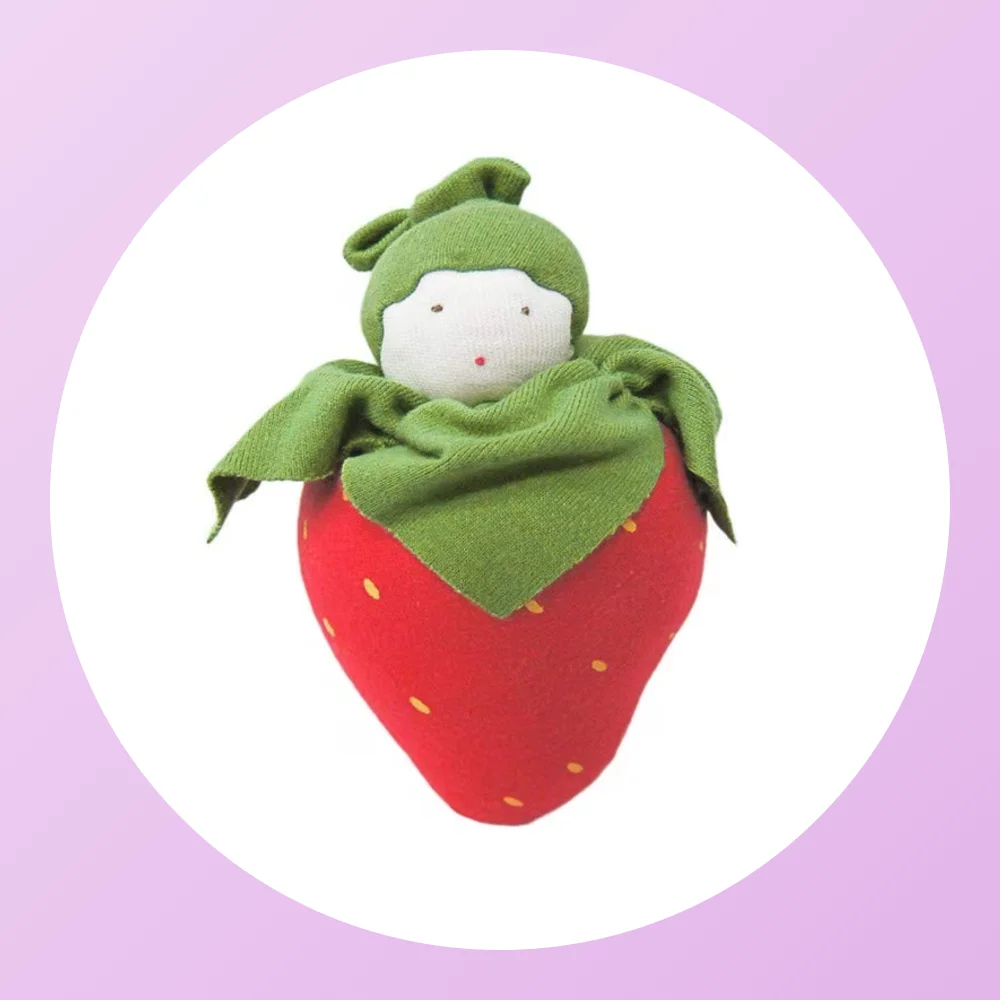
- Amazon rating 4.3 stars from 35 ratings
- Age on listing0 months and up
Rating checked November 2026
Under the Nile makes a whole set of fruit and veggie toys from GOTS certified organic cotton, filling included. They’re small enough for a baby to hold and safe to gnaw on, and they go in the washing machine.
👍 What buyers sayBuyers appreciate the organic materials and like knowing it isn’t polyester. Parents say their babies happily chew on it, and many go on to collect the whole set.
⚠️ Keep in mindOne buyer found it smaller than the listed 7 inches, closer to 5. Another wished the strawberry’s color looked more natural.
4. Bopoobo Handmade Crochet Bunny Wooden Rattle
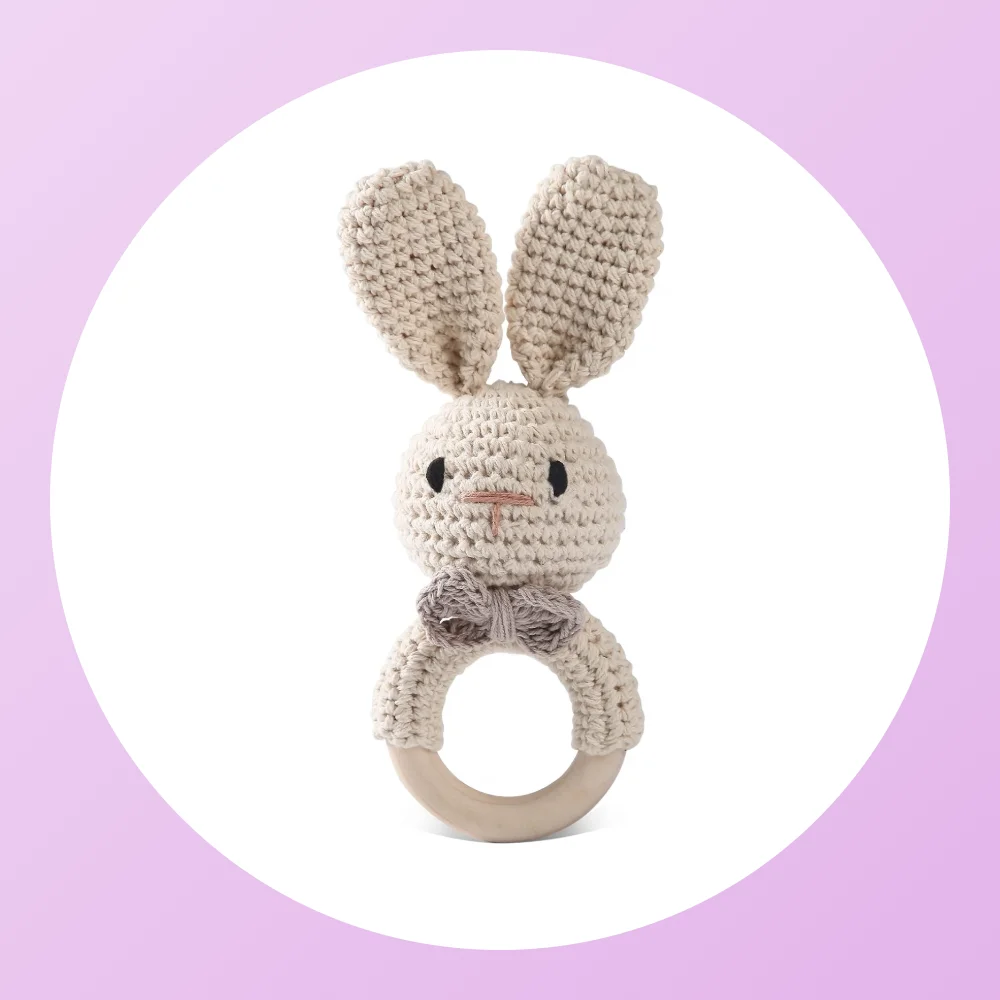
- Amazon rating 4.8 stars from 524 ratings
- Age on listing0 to 6 months
Rating checked November 2026
This handmade crochet bunny sits on a smooth wooden ring, with organic cotton padding and a soft rattle inside. The ring is easy for newborn hands to hold and can also be chewed during early teething.
👍 What buyers sayBuyers find it adorable and well made, with a gentle rattle sound that isn’t too loud. They like its size for small hands and say the quality matches the price.
⚠️ Keep in mindThe listing says the padding is organic cotton but doesn’t certify the yarn or the wood finish. Check the stitching often, since crochet can loosen with heavy chewing.
Best Organic Sensory and Crinkle Toys
High-contrast pictures, crinkly pages and tags help young babies practice focusing, listening and grasping.
5. Wee Gallery Organic Crinkle Stroller Toy
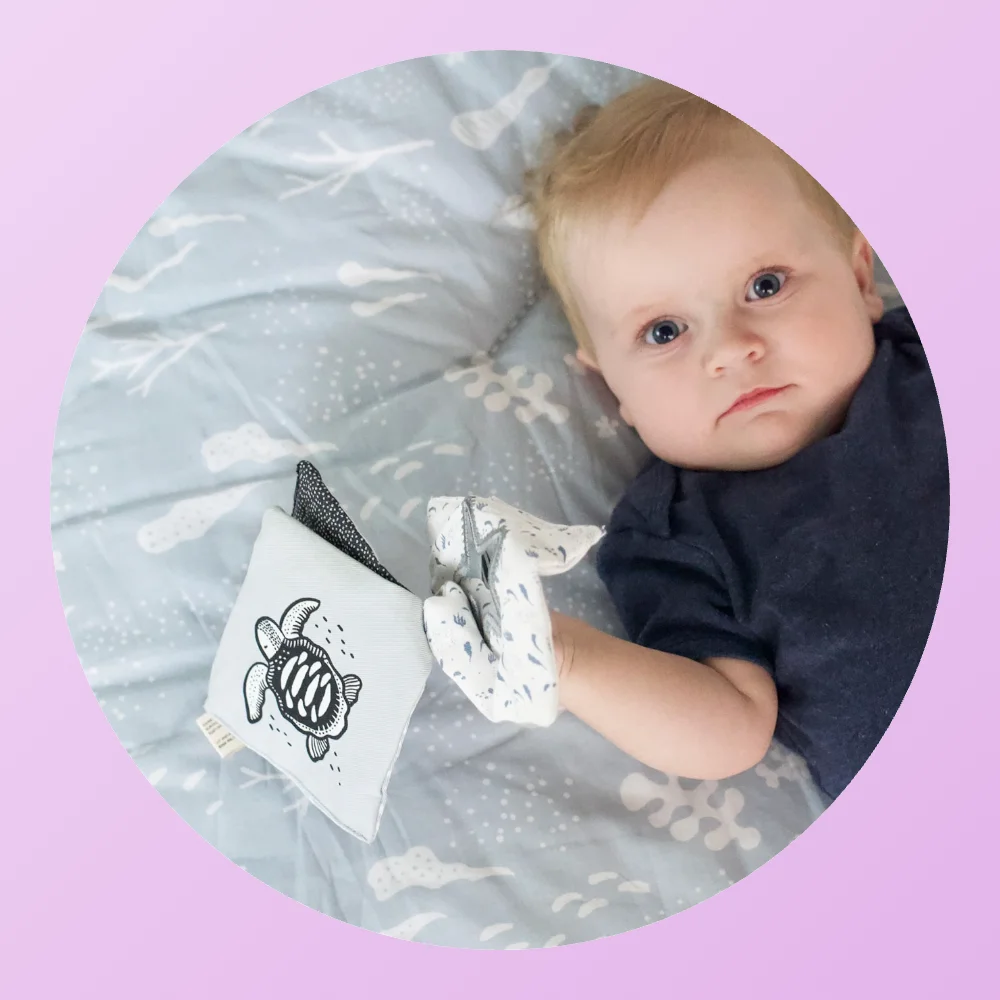
- Amazon rating 4.4 stars from 43 ratings
- Age on listingnewborn to 12 months
Rating checked November 2026
This small crinkle book has organic cotton pages, black and white animal art and a baby-safe mirror. A strap lets you hang it from a stroller or car seat handle so it doesn’t end up on the floor.
👍 What buyers sayParents call the crinkles a lifesaver on car rides and like finding a natural-fabric crinkle toy, which is rare. Several say it’s well made and the right size for a diaper bag.
⚠️ Keep in mindOne buyer said the strap’s Velcro didn’t hold up, and another couldn’t peel the protective film off the mirror. Some find it pricey for its size.
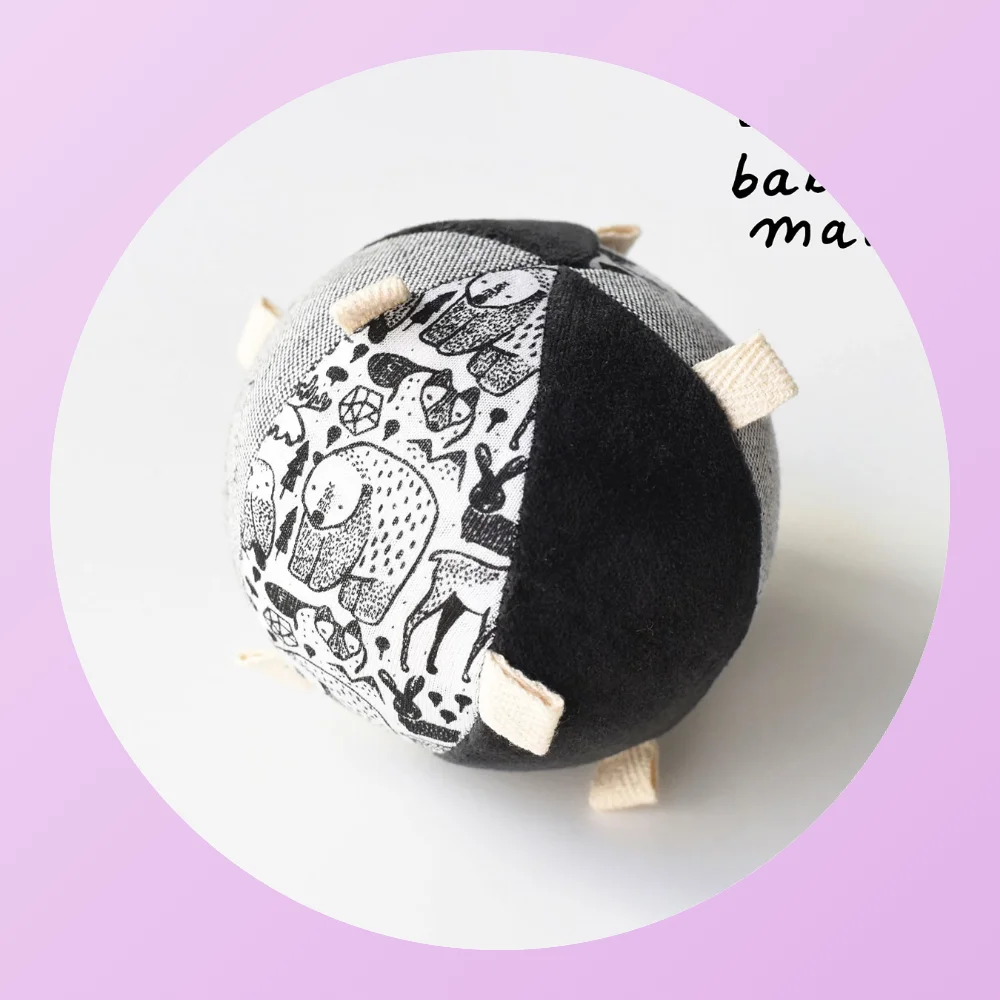
6. Wee Gallery Taggy Sensory Ball
- Amazon rating 4.0 stars from 21 ratings
- Age on listing3 months and up
Rating checked November 2026
This soft ball mixes organic cotton jersey, velour and short fabric tags with a gentle rattle inside. Hang it overhead for kicking at 3 months, then let your baby grab, shake and roll it later.
👍 What buyers sayParents like the high-contrast animal art and the mix of textures, and say it keeps young babies interested.
⚠️ Keep in mindThe shell is organic cotton, but the filling is OEKO-TEX tested polyester, not organic. One reviewer felt a toy at this price should be organic all the way through.
Best Natural Rubber and Wooden Baby Toys
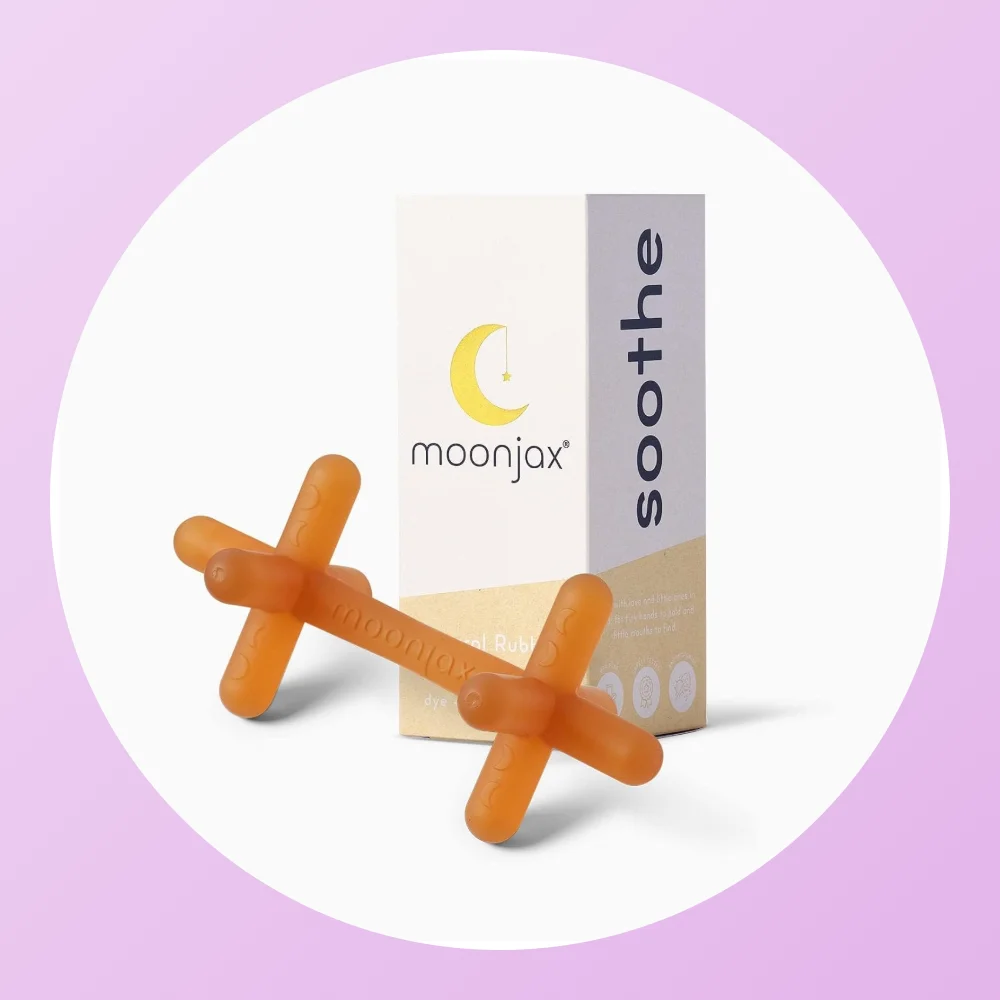
7. Moonjax Natural Rubber Teether
- Amazon rating 4.7 stars from more than 3,800 ratings
- Age on listing0 to 6 months and up
Rating checked November 2026
Made from 100% natural rubber, this teether is soft and bendy with bumps and ridges for sore gums. The listing says it’s free of BPA, phthalates and lead and meets CPSIA requirements. Our guide to teething remedies for babies covers other safe ways to ease sore gums.
👍 What buyers sayParents say babies love biting down on the different shapes and that it’s easy for small hands to hold. Several like that it feels safer than hard plastic.
⚠️ Keep in mindMany buyers say it attracts lint and pet hair, and opinions are split on whether it’s worth the price. Skip natural rubber if your baby has a latex allergy.
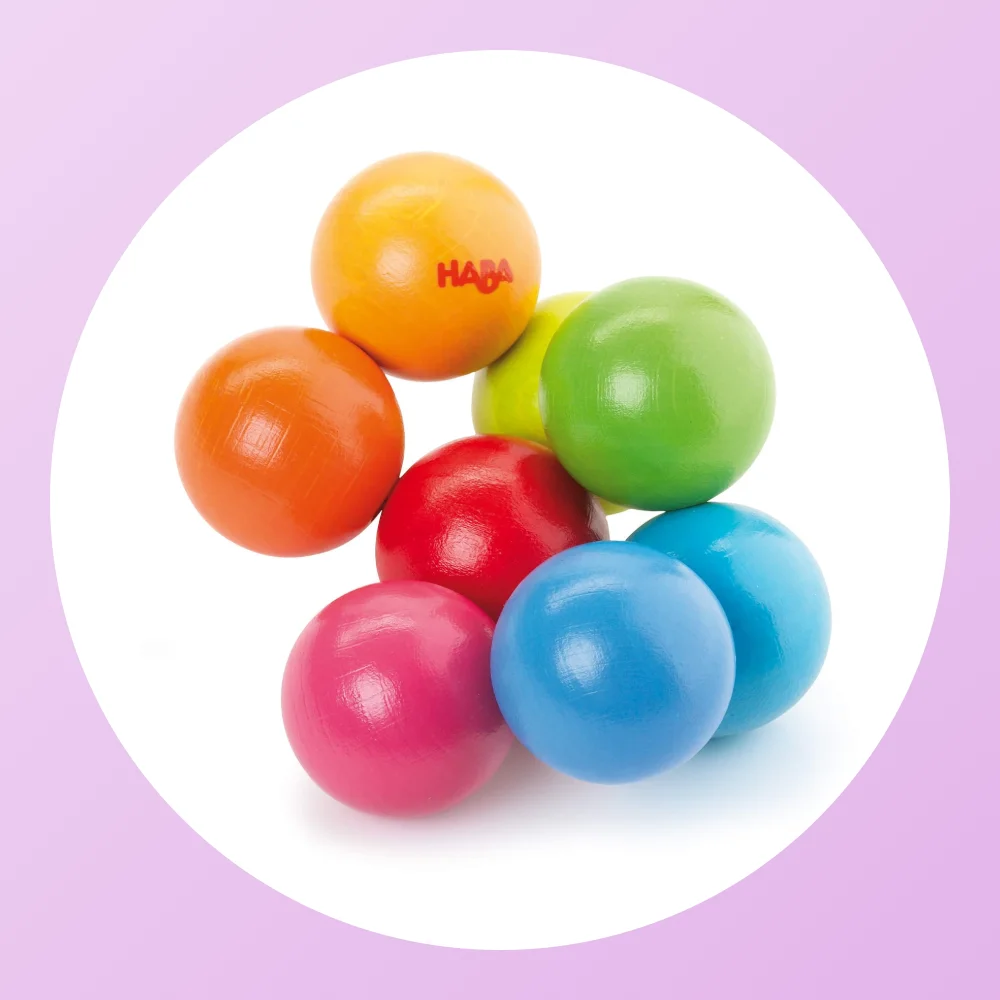
8. HABA Magica Wooden Grasping Rattle
- Amazon rating 4.2 stars from 25 ratings
- Age on listing6 months and up
Rating checked November 2026
This classic clutching toy has interlocking beech wood rings and colored balls that click softly when shaken. The listing says the wood is sustainably sourced and finished with a non-toxic, water-based coating.
👍 What buyers sayBuyers find it fun and beautiful, and say it holds up well to chewing. Some adults admit to playing with it too.
⚠️ Keep in mindIt’s harder than a soft rattle, so it suits babies who already have some hand control. It has a small number of ratings.
Best Eco-Friendly Plastic Baby Toy
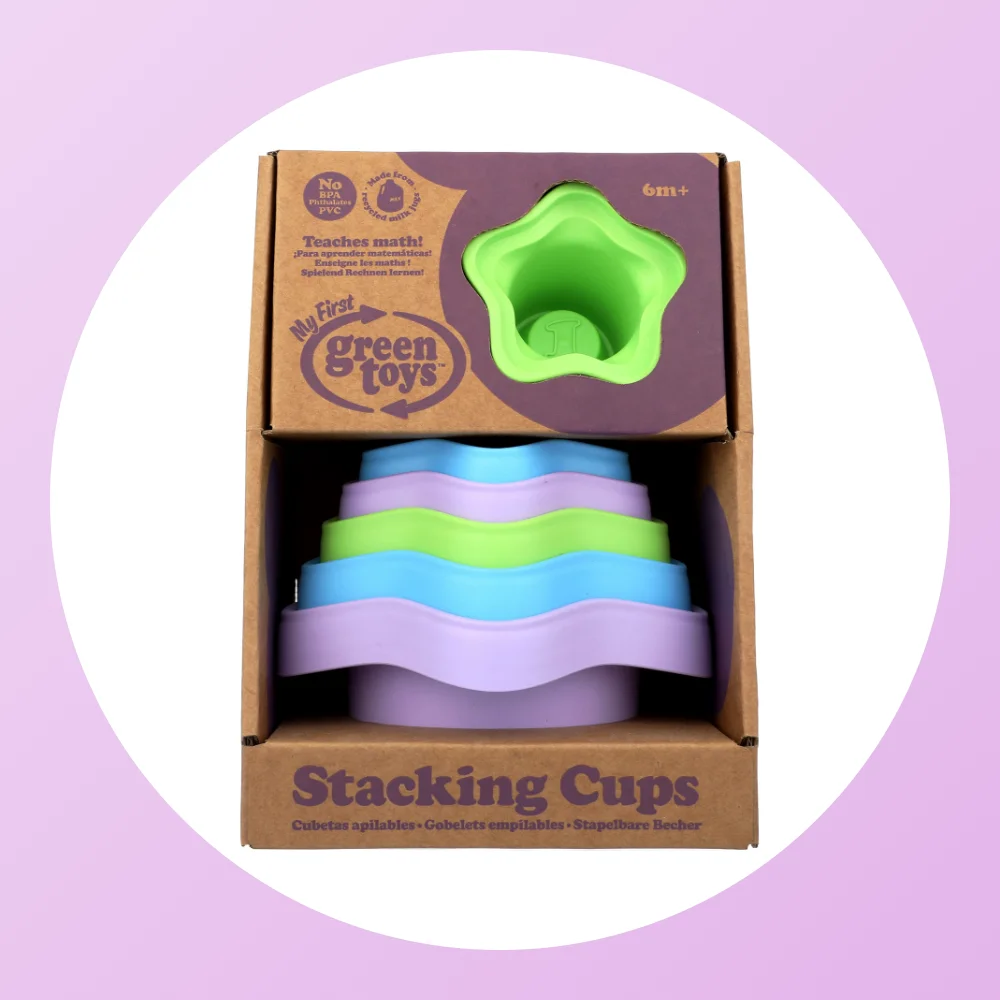
9. Green Toys Stacking Cups
- Amazon rating 4.8 stars from more than 1,900 ratings
- Age on listingnot shown in the main listing details
Rating checked November 2026
If you want plastic you can trust, Green Toys makes these six numbered cups in the USA from 100% recycled plastic milk containers. The listing says they meet FDA food-contact standards and are dishwasher safe, which makes them easy to keep clean after bath time. You’ll find more water-play ideas in our guide to baby bath toys.
👍 What buyers sayBuyers love how durable they are and that they’re made from recycled milk jugs. They like the softer colors and the numbers on the bottom for early counting.
⚠️ Keep in mindHow well they stack gets mixed feedback. Check the age on the box before giving them to a young baby.
What to Avoid in Baby Toys
Some materials and toys are worth skipping, especially for anything your baby will mouth.
- Soft vinyl (PVC) toys. Soft, squishy plastic toys are where phthalates are most often found. Look for “PVC-free” if you buy soft plastic.
- Strong chemical smells. A toy that smells like plastic or perfume out of the box isn’t one to put in a baby’s mouth.
- Chipped or peeling paint. Throw out painted toys once the finish starts to flake.
- Old hand-me-downs. Painted toys made before the 2008 US rules may contain lead.
- No brand or tracking label. US rules require a label showing who made the toy. A toy without one is a warning sign.
- Magnets and button batteries. Both can cause serious internal injuries if swallowed, so keep older kids’ toys away from babies.
Are Wooden Toys Safe for Babies?
Yes, solid wooden toys are among the safest choices for babies when they’re made by a known brand. Unfinished wood or wood with a water-based finish is best. Choose smooth, solid pieces without splinters, cracks or small parts, and avoid painted toys whose paint chips. Wipe wooden toys clean instead of soaking them, since water can make the wood crack.
Is Silicone Non-Toxic for Babies?
Food-grade silicone is widely used for teethers and baby feeding products and is generally considered safe. It doesn’t need BPA or phthalates to stay soft. Choose silicone labeled food-grade from a known brand, and skip any piece that smells strongly or tears easily.
How to Clean Organic and Natural Baby Toys
Each material needs a slightly different approach, so check the label first.
- Organic cotton toys: machine wash on a gentle cycle in a laundry bag, using a fragrance-free detergent, and air dry or tumble dry low
- Natural rubber: wipe with a damp cloth and mild soap, and don’t soak or boil it, since water trapped inside can grow mold
- Wood: wipe with a barely damp cloth and dry right away
- Recycled plastic like Green Toys: top rack of the dishwasher or warm soapy water
Budget-Friendly and DIY Natural Baby Toys
You don’t need a cart full of organic toys. A few safe household items make great natural baby toys, with you close by.
- A wooden spoon and a metal mixing bowl for banging
- A clean cotton washcloth, knotted or folded for grabbing and chewing
- Stainless steel measuring cups for stacking and bath play
- A scarf or soft fabric square for peekaboo
Avoid anything small enough to fit in your baby’s mouth, anything with loose strings, and glass or breakable items. If you’re also shopping for a toddler, our guide to the best toys for 1 year old includes more simple, open-ended picks.
Frequently Asked Questions
The Bottom Line
The best organic baby toys are simple ones made from materials you can trust, like certified organic cotton, natural rubber, plain wood and food-safe recycled plastic. Look for a GOTS label on fabric toys, a known brand on everything, and the right age on the box. Organic baby toys matter most for the things your baby chews every day, so start with a rattle, a teether and a soft toy, and fill in the rest with safe, simple basics.
This article is for general information only. It can’t replace advice from a doctor who has examined your child. If you’re worried about your baby, contact your pediatrician or emergency services right away.

Newsletter Signup
Subscribe to our weekly newsletter below and never miss the latest product or an exclusive offer.